Michigan's Agricultural Landscape: A Diverse Ecosystem
Michigan boasts a diverse agricultural landscape, ranging from extensive dairy farms in the northwest to flourishing fruit orchards in the southwest. This regional variation translates into diverse needs among farmers, demanding specialized equipment and supplies tailored to specific crops and livestock. Understanding these regional nuances is crucial for assessing the success of businesses like the Tractor Supply Company (TSC) store in Caro. For instance, the equipment requirements for a dairy farm differ significantly from those of a fruit orchard. How effectively does TSC cater to this diversity? This question forms the core of our analysis. For a similar analysis of another TSC location, see the Cedar Springs TSC analysis.
Tractor Supply Caro, Michigan: A Community Hub
The Caro TSC isn't just a retail outlet; it's an integral part of the local community, providing farmers and rural residents with essential supplies, tools, and equipment. It serves as a vital social hub, fostering interaction and information exchange among agricultural stakeholders. However, its effectiveness in meeting the diverse needs of its customer base remains a key point of analysis. Does its current offering adequately address the specific needs of this diverse agricultural landscape?
Analyzing the Market: A Data-Driven Approach
A thorough understanding of the Caro TSC's performance requires robust data encompassing sales figures, market share relative to competitors, product offerings, and the demographics of its clientele. Qualitative analysis, such as customer surveys, is also crucial. This data-driven approach provides the groundwork for meaningful insights into the store's strengths and weaknesses. Without comprehensive data, any analysis remains speculative.
Competitive Landscape: Assessing the Competition
The Caro TSC faces competition from various sources, including major players like Rural King and smaller local hardware stores. A competitive analysis requires evaluating the strengths and weaknesses of these competitors, considering aspects like product selection, pricing, customer service levels, and overall marketing strategies. For example, does Rural King offer a wider range of specialized agricultural products than TSC? Does TSC compensate for any such gaps with superior customer service or specialized expertise? This nuanced comparison is crucial for understanding TSC's competitive positioning.
Strategic Recommendations: Enhancing Caro TSC's Performance
Two distinct strategic approaches—short-term and long-term initiatives—can enhance the Caro TSC's performance and sustainable growth.
Short-Term Strategies (0-1 Year):
- Targeted Market Research: Conduct thorough surveys and interviews among local farmers to identify specific needs and preferences. This will pinpoint high-demand products and areas ripe for improvement. Data collection should utilize both quantitative and qualitative methods.
- Hyperlocal Marketing: Tailor marketing efforts to the unique needs of the local agricultural community. This might involve targeted advertisements for regional crop-specific products, using localized channels.
- Enhanced Customer Experience: Create a more user-friendly store layout and invest in comprehensive customer service training. Improving in-store experience can dramatically enhance customer satisfaction.
- Loyalty Program Implementation: Launch an effective customer loyalty program to incentivize repeat business and foster stronger relationships with local farmers. This will also build valuable customer data.
Long-Term Strategies (3-5 Years):
- Data-Driven Regional Strategy: Develop a comprehensive strategy based on local market data to guide product selection and marketing efforts. This should include regular data analysis and adjustments based on customer feedback and market shifts.
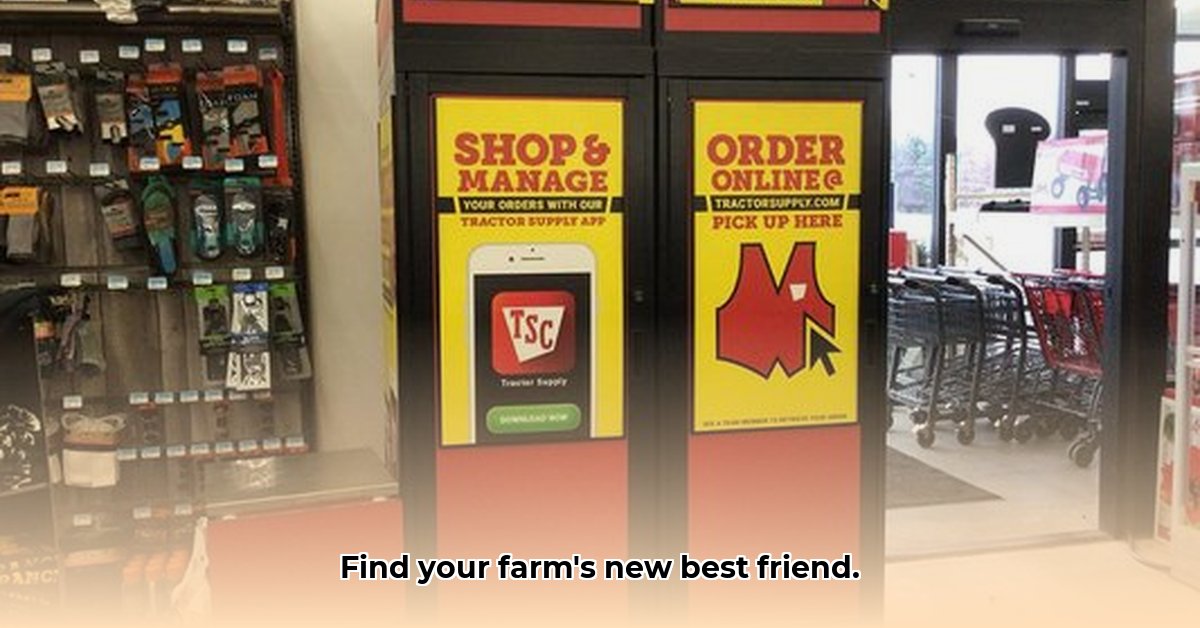
- E-commerce Expansion: Develop and enhance the online presence and e-commerce capabilities to reach a wider audience, especially younger, tech-savvy farmers. This opens new avenues for customer outreach and marketing.
- Inventory Optimization: Optimize inventory management based on real-time data to minimize waste and maximize profitability. This requires a robust inventory management system and continuous data analysis.
- Community Partnerships: Create strategic partnerships with local farmers and agricultural organizations. This collaboration can lead to valuable marketing opportunities, improved product offerings, and enhanced community engagement.
- Educational Initiatives: Provide workshops and resources on sustainable agricultural practices, emphasizing the store's commitment to the community and the environment. This will enhance their brand perception and increase the value they bring.
Potential Challenges: Navigating External Factors
The Caro TSC faces several potential challenges:
- Economic Fluctuations: Economic downturns can drastically impact consumer spending, which directly affects sales.
- Regulatory Shifts: Changes in government regulations (environmental policies, farm subsidies) can alter the market landscape and demand for products.
- Technological Disruptions: The adoption of new agricultural technologies could disrupt existing supply chains, requiring product offering adjustments.
Conclusion: A Vision for Future Success
The Caro TSC holds significant potential for continued success. By implementing these strategic recommendations and actively adapting to the unique needs of its local community, the store can navigate challenges and capitalize on opportunities within the dynamic Michigan agricultural sector. Continuous market research, data-driven decision-making, and a commitment to innovation are key to its long-term viability and success.